The modern workplace stands at a crossroads, and leaders everywhere are grappling with a deceptively simple question: How can we expect high performance without demanding constant presence? Navigating the New Office: Performance Without Sacrificing Freedom has become the central leadership challenge of our era. Organizations that answer this question well will attract top talent, sustain innovation, and build resilient cultures. Those that cling to outdated assumptions about face time and surveillance will find themselves managing a disengaged, transient workforce. This article offers a comprehensive, evidence-based roadmap for leaders, managers, and HR professionals who are ready to design a work environment where autonomy and accountability are not opposing forces but mutually reinforcing pillars of success.
Key Topics at a Glance: Performance Without Sacrificing Freedom
| Key Concept | Summary |
|---|---|
| New Office | The modern office must function as a deliberately designed ecosystem where leaders balance autonomy with accountability to attract top talent and fuel sustained innovation. |
| Employee Agency | Employees increasingly view flexibility as integral to total rewards, compelling leaders to reposition the office as an intentional, high-value destination rather than a mandatory default. |
| Office Reclaiming | Leaders should reclaim the office as a strategic resource for high-impact activities like collaborative problem-solving and onboarding, not as a routine workspace or monitoring checkpoint. |
| Technology Backbone | A thoughtfully architected digital backbone integrating asynchronous tools and clear communication protocols enables flexible performance while preventing notification overload and eroded boundaries. |
| Performance Redefinition | Flexible work demands replacing visibility-based assessments with outcome-driven evaluation systems that measure tangible contributions and behaviors aligned with strategic, long-term goals. |
| Presenteeism Shift | Evaluation frameworks like OKRs dismantle both physical presenteeism and the illusion of productivity from constant online presence, redirecting focus to actual results. |
| Trust Foundation | Psychological safety and mutual trust form the bedrock of effective autonomy, enabling leaders to delegate authority while preserving high performance and clear accountability. |
| Communication Norms | Developing active listening skills and explicit communication protocols helps managers foster genuine connection, reduce ambiguity, and amplify team empowerment in hybrid work. |
| Individual Readiness | Tools such as the skill-will matrix allow leaders to assess each individual's readiness for self-direction, unlocking latent potential and tailoring support in hybrid models. |
| Leadership Challenge | Leading in the renewed office requires managers to confront ingrained presence bias and cultivate the ability to assess performance through outputs and impact, rather than observation. |
Understanding the New Office Landscape
The office is no longer a single physical location where work happens from nine to five. It is an ecosystem of spaces, digital tools, asynchronous workflows, and intentional gatherings. To navigate this new office effectively, we must first understand the forces that reshaped it and the enduring human needs that any workplace must satisfy. The global shift toward hybrid and remote models was accelerated by the pandemic, but it did not emerge from a vacuum. Knowledge workers had been chipping away at rigid office norms for years, enabled by cloud computing, collaborative software, and a growing recognition that creative output does not always align with a factory-style schedule. What changed was the scale and speed of the experiment, and the results have permanently altered employee expectations. Leaders who want to thrive in this environment can benefit from Navigating Turmoil: The Art of Crisis Communication to address uncertainty, and from Cultivating Courageous Teams: A Leader’s Roadmap to Psychological Safety to foster the trust needed for autonomy to flourish.
The Rise of Employee Agency in a Post-Pandemic World
For decades, the default assumption was that professional work required co-location. Managers believed that proximity enabled collaboration, mentorship, and cultural transmission. While those benefits are real, they were often taken as absolutes rather than as variables that could be cultivated in other ways. The sudden remote work mandate proved that many roles could be performed effectively without daily commutes. Employees experienced a level of agency over their time and environment that they had never known. They rearranged their days around deep work, family obligations, and personal rhythms. When organizations began calling people back to the office, many workers resisted not out of laziness but because they had glimpsed a different quality of life. Understanding this psychological contract is essential. Employees now see flexibility as a core component of their compensation, not a temporary perk. Reclaiming the office, therefore, cannot mean returning to a command-and-control mindset. It means intentionally redesigning the office experience so that coming in is a choice that adds genuine value, not a mandate that subtracts freedom. Leaders who want to foster this environment should also explore how to cultivate courageous teams: a leader's roadmap to psychological safety , as trust is the foundation of any flexible work model. Additionally, mastering speak less, connect more: why silence wins conversations can help managers listen better and empower their teams. Finally, when assessing individual readiness for autonomy, the skill will matrix guide offers a practical framework to unlock star potential.
Reclaiming the Office as a Tool for Connection
The phrase "reclaiming the office" often carries a nostalgic tone, implying a need to restore something lost. But a more productive interpretation is to view the office as a tool that can be used strategically rather than habitually. When we treat the office as a resource for specific types of work such as onboarding, complex brainstorming, cross-functional relationship building, and celebration it stops being a container for all tasks and becomes a catalyst for high-impact moments. This reframe is critical for navigating the new office without sacrificing performance. Leaders who reclaim the office as a connection hub rather than a monitoring station make it a magnet, not a mandate. They invest in spaces that support collaboration, serendipitous encounters, and cultural rituals. They also liberate employees to do focused individual work wherever they are most effective. The result is a performance-oriented environment that honors freedom because presence is purposeful, not performative.
The Technology Backbone of Flexible Performance
No discussion of the new office is complete without acknowledging the technology stack that makes hybrid work possible. Video conferencing platforms, instant messaging, project management software, digital whiteboards, and asynchronous video tools have become the infrastructure of modern collaboration. However, technology alone cannot solve the performance-freedom equation. Tools that are poorly implemented create notification fatigue, meeting overload, and a sense of always-on availability that erodes the very freedom they are meant to support. The key is intentional technology design: choosing platforms that support asynchronous work by default, establishing communication norms, and investing in equipment that makes virtual participation equitable. When technology serves the workflow instead of dictating it, employees can perform from anywhere without feeling tethered to their screens. The office then becomes another node in the network, valuable for its unique capabilities rather than its ability to house bodies.
Core Insights on the New Office Ecosystem
- Employee agency as a permanent shift
- The pandemic bestowed knowledge workers with a durable sense of autonomy over their time and environment, transforming flexibility from a fleeting perk into a non-negotiable cornerstone of the modern employment contract.
- Office as a strategic connection hub
- To reclaim the office, organizations must reframe it as a curated environment designed for high-value interactions like creative ideation and relationship cultivation, moving far beyond its legacy role as a site for task surveillance.
- Intentional technology design for freedom
- A high-functioning hybrid model demands the deliberate adoption of asynchronous-first technology and explicit behavioral norms that reduce digital noise, thus protecting focused time and reinforcing employee independence.
Redefining Performance in a Freedom-Centric Model
Traditional performance management systems were built for a world of observable inputs. Managers could see who arrived early, who stayed late, and who appeared busy. The shift to flexible work demands a radical redefinition of what performance means and how it is measured. Without the crutch of visible activity, leaders must focus on outcomes, impact, and behaviors that drive long-term value. This transition is uncomfortable for managers who equate control with effectiveness, but it is liberating for those willing to develop new skills. Performance without sacrificing freedom requires a clear, shared understanding of success that is independent of location or schedule. It requires trust, transparent metrics, and a culture of regular feedback. It also demands that organizations confront unconscious biases that favor those who are physically present.
Shifting from Presenteeism to Outcome-Based Evaluation
Presenteeism, the act of being physically present without truly contributing, has plagued offices for decades. In a flexible environment, presenteeism can morph into digital presenteeism: showing online status, responding instantly to messages, and attending meetings in which one has no meaningful role. Navigation of the new office requires dismantling these false signals of commitment. The alternative is an outcome-based evaluation system that defines performance through measurable results and observable contributions. Instead of tracking hours, leaders agree on objectives, key results, and quality standards. This approach, rooted in Management by Objectives and refined by frameworks like OKRs (Objectives and Key Results), shifts the conversation from "How much time did you spend?" to "What did you accomplish, and how did it move the business forward?" For such a system to work, goals must be well-crafted: specific, aligned with strategy, and within the employee's sphere of influence. Managers need training in setting and evaluating outcomes, not just activities. This is not a minor adjustment; it is a foundational change that impacts hiring, onboarding, performance reviews, and compensation. Yet it is the single most powerful lever for enabling performance without sacrificing freedom.
Building a Culture of Radical Transparency
Outcome-based performance management cannot thrive in secrecy. When team members do not see how their work connects to broader objectives, or when they are uncertain about what their peers are doing, anxiety can replace autonomy. Transparency is the counterbalance. This means making goals, progress, and performance criteria visible across teams. Many organizations use shared dashboards, weekly written updates, and open project boards to create a sense of collective accountability. Such practices do not eliminate the need for private performance conversations, but they provide context and reduce the suspicion that remote colleagues are being evaluated unfairly. Transparency also extends to decision-making. Leaders who explain why certain choices are made, including decisions about in-office expectations, build trust. When employees understand the business rationale behind a request, they are more likely to comply voluntarily, preserving their sense of freedom while aligning with performance needs.
The Role of Continuous Feedback and Coaching
Annual performance reviews are poorly suited to a dynamic, hybrid world. They are too slow to capture the rapid shifts in priorities and too infrequent to guide behavior effectively. Navigating the new office means replacing or supplementing annual reviews with continuous feedback loops. Regular one-on-one meetings, weekly check-ins, and quarterly performance conversations keep goals alive and allow for course correction. Crucially, these interactions should emphasize coaching over evaluation. A coaching mindset asks: What support do you need? What obstacles are you facing? What have you learned? This approach respects the employee's autonomy while maintaining a clear line of sight to performance. Managers who master coaching in a hybrid setting learn to listen for subtle cues about engagement, workload, and well-being, even when they cannot observe body language in person. They become facilitators of success rather than compliance officers.
Leadership Practices That Protect Freedom While Driving Results
No amount of technology or process redesign will succeed without leadership that embodies the new mindset. The manager who once derived status from a corner office and a visible team must now learn to lead through influence, trust, and clarity. This requires emotional intelligence, adaptability, and a willingness to challenge long-held assumptions about how work gets done. Leadership in the new office is less about directing tasks and more about creating the conditions in which talented people can do their best work. It involves setting clear expectations, removing barriers, and holding people accountable in ways that feel fair and empowering. When leaders get this right, they unlock a level of discretionary effort that command-and-control environments can only dream of.
Trust as the Foundation of High-Performance Flexibility
Trust is the currency of flexible work. Without it, every policy becomes a test, and every remote day a source of suspicion. Leaders who struggle with trust often fall back on surveillance: tracking software, mandatory camera-on meetings, and excessive reporting. These measures signal that freedom is contingent and conditional, which corrodes intrinsic motivation. The alternative is to extend trust deliberately and verify through results. This does not mean abandoning accountability; it means shifting the default from "guilty until proven busy" to "trusted until results suggest otherwise." Building this trust requires managers to invest time in understanding their team members as whole people, their strengths, their working styles, their life circumstances. It also requires consistency: when trust is selectively applied, favoritism and perceived injustice quickly follow. Leaders who successfully navigate the new office often describe their role as "setting the stage" for good work rather than directing every scene.
Emotional Intelligence and Hybrid Team Dynamics
Emotional intelligence (EI) has always been a predictor of leadership effectiveness, but its importance skyrockets in hybrid settings. A manager with high EI can sense when a remote employee is disengaging, can read between the lines of a chat message, and can create psychological safety even across digital channels. Four components of EI are particularly relevant: self-awareness, self-management, social awareness, and relationship management. In the new office, self-aware leaders recognize their own biases toward in-office employees and actively correct them. They manage their anxiety about not seeing people work by focusing on data and outcomes. Socially aware leaders check in on the emotional state of their teams, not just project status. And relationship management means intentionally creating opportunities for informal connection, such as virtual coffee chats or in-person off-sites, without making them feel forced. These practices are not soft extras; they are hard requirements for sustaining performance in a freedom-respecting culture.
Communicating Vision and Purpose Across Distances
One of the hidden costs of distributed work is the dilution of organizational purpose. When people are physically disconnected, they can lose sight of why their work matters beyond the immediate task. Leaders must compensate by over-communicating vision and connecting daily activities to strategic impact. This does not mean more all-hands meetings or lengthy emails. It means weaving purpose into every interaction: starting a project kickoff with a reminder of the customer problem being solved, sharing stories of client impact during team updates, and explicitly recognizing behaviors that exemplify company values. A clear, compelling purpose acts as a unifying force that aligns autonomous action with collective goals. When employees internalize the mission, they make better independent decisions, reducing the need for constant oversight. This is how performance thrives without sacrificing freedom: aligned autonomy, powered by a shared sense of meaning.
Core Takeaways on Freedom-Focused Leadership
- Trust as the Foundation of Performance
- Leaders must intentionally grant trust and then measure outcomes rather than monitor activity, replacing a default mindset of oversight with one of empowered confidence in their team.
- Emotional Intelligence for Hybrid Work Success
- Strong emotional intelligence allows managers to pick up on subtle disengagement cues, cultivate psychological safety through digital interactions, and counteract the proximity bias that often favors onsite employees.
- Purpose-Driven Communication Across Distance
- Leaders need to weave the organizational purpose into every touchpoint, explicitly connecting routine tasks with strategic outcomes so that distributed teams can make autonomous decisions that stay aligned with the broader vision.
Designing Operating Rhythms for the Hybrid Workplace
The cadence of work, the meetings, the deep focus blocks, the collaboration sprints, is a design challenge that most organizations have inherited rather than intentionally shaped. In a flexible environment, the default rhythm can easily tip into chaos or excessive synchronization. Reclaiming the office as a performance lever means designing deliberate operating rhythms that respect both individual freedom and collective needs. This involves structuring time in ways that amplify energy, protect focus, and create natural points of connection. Many companies are experimenting with frameworks like "anchor days" when teams are expected to be in the office together, asynchronous sprints for project work, and meeting-free days for deep thinking. There is no universal formula, but the principles are consistent: define the minimum necessary synchronization, maximize uninterrupted work time, and continuously adapt based on feedback and outcomes.
Balancing Synchronous and Asynchronous Work
Synchronous work happens in real time: meetings, calls, and live collaboration sessions. Asynchronous work happens on each person's own schedule: writing, designing, coding, and providing feedback via recorded messages or shared documents. The traditional office over-indexed on synchronous work, assuming that collocation made real-time interaction efficient. The remote shift proved that many tasks benefit from the reflective depth of asynchronous work. Navigating the new office requires a deliberate calibration. High-stakes decisions, creative brainstorming, and relationship-sensitive conversations often benefit from synchronous interaction. Status updates, routine approvals, and initial drafts can move to asynchronous channels. Teams that master this balance report higher productivity and lower meeting fatigue. They also give employees the freedom to structure their days around their peak cognitive hours rather than an external schedule. The office then becomes a venue for the synchronous work that truly benefits from face-to-face energy, not a container for all work indiscriminately.
The Power of Intentional In-Person Gatherings
When the office is no longer the default, its use must be intentional. Forward-thinking organizations are replacing weekly in-office mandates with periodic off-sites, team workshops, and strategy sessions that make the most of physical presence. These events are designed for high-bandwidth collaboration, trust-building, and cultural reinforcement. They are planned with clear objectives and structured agendas, so that the time together feels energizing rather than draining. This approach acknowledges that travel and commuting carry real costs in time and money. By treating in-person gatherings as investments rather than habits, companies honor employee freedom while capturing the unique benefits of physical proximity. The key is to avoid filling these precious in-person days with activities that could have been done remotely, such as watching presentations or reading email. Instead, use them for co-creation, difficult conversations, and celebration. The result is a rhythm that feels purposeful, not punitive.
Protecting Deep Work in a Connected World
Cal Newport's concept of deep work, the ability to focus without distraction on a cognitively demanding task, has become both more important and more endangered in the new office. The very tools that enable flexible work also generate a constant stream of interruptions. Notifications, instant messages, and the expectation of rapid response can fragment attention and erode the quality of output. Leaders who are serious about performance without sacrificing freedom must actively protect deep work time. This can take the form of organizational policies such as "no internal meeting" blocks, cultural norms that normalize response delays, and design choices like asynchronous communication by default. Some teams implement a traffic-light system where team members indicate their availability: green for open to collaboration, yellow for available with some delay, and red for deep focus mode. Such simple, visible signals respect individual autonomy while making it possible to coordinate. In the new office, the ability to do deep work is a competitive advantage, and it cannot flourish in an environment of managed availability.
Overcoming the Shadows of Flexibility
For all its benefits, the freedom-centric workplace has its own risks. Without intentional design, flexibility can morph into work without boundaries, eroding well-being and ultimately harming performance. Proximity bias can disadvantage remote employees, slowing their career progression. Isolation can weaken social bonds and create a sense of disconnection. Communication can become fragmented and overwhelming. Navigating the new office means facing these shadows honestly and implementing structural solutions, not just relying on individual resilience. The goal is to preserve freedom while mitigating its unintended consequences, so that performance is sustainable over the long term.
Combating Proximity Bias in Career Growth
Proximity bias is the subconscious tendency to favor people who are physically close. In a hybrid environment, this can manifest in managers giving higher-profile assignments, more mentoring, and better performance ratings to those they see in the office. Studies have shown that remote employees often feel overlooked for promotions and key projects, even when their objective performance is equal to or better than their in-office counterparts. Leaders must actively counteract this bias. Practical measures include standardized performance criteria, clearly documented decision-making for assignments and promotions, and regular audits of outcomes by location. Managers should also be trained to recognize their own biases. One powerful intervention is to ensure that remote team members have equal visibility through practices like virtual watercooler channels, rotating meeting facilitation, and deliberate inclusion in high-stakes conversations. Performance without sacrificing freedom must mean equal opportunity for growth, regardless of where an employee sits.
Preventing Burnout in an Always-On Culture
The freedom to work from anywhere can inadvertently become the expectation to work everywhere, at all hours. Without the natural boundary of leaving the office, many knowledge workers find it difficult to disconnect. The result is burnout, a state of emotional, physical, and mental exhaustion that decimates performance and drives turnover. Organizational leaders must take responsibility for creating a culture that values rest and recovery. This includes modeling healthy boundaries by not sending late-night emails, encouraging employees to use their vacation time, and designing workloads that are realistic for sustainable output. Burnout prevention is not merely a wellness initiative; it is a performance strategy. Research consistently shows that well-rested, psychologically healthy workers are more creative, make better decisions, and collaborate more effectively. In navigating the new office, the most progressive companies are framing disconnection as a skill to be developed, not a weakness to be tolerated. They are also implementing tools and policies that support it, such as email delivery delay features and designated "quiet hours" on collaboration platforms.
Managing Communication Overload and Meeting Fatigue
One of the ironies of the digital workplace is that the tools meant to connect us can become a source of relentless interruption. The average knowledge worker now spends a significant portion of their day processing messages and attending meetings, which can leave little time for actual work. Communication overload is a drag on both performance and freedom. Solving it requires a systemic approach. First, reduce the volume of synchronous meetings by using asynchronous alternatives: recorded video updates, shared documents with comment threads, and project management boards that serve as the primary source of truth. Second, establish communication norms that distinguish between urgent and important, and that respect the recipient's time. For example, a norm might state that instant messages expect a response within a few hours, not a few minutes. Third, regularly audit the meeting load at the team level, eliminating recurring meetings that no longer serve a clear purpose. Leaders who champion these practices give their teams back hours of focused time each week. They navigate the new office by taming the very connectivity that makes it possible.
Core Insights on Mitigating Flexibility Risks
- Countering proximity bias actively
- Organizations that adopt standardized performance criteria, transparent decision-making, and deliberate inclusion rituals give remote employees an equal pathway to career advancement.
- Preventing burnout as a strategy
- Leaders who model clear boundaries, actively encourage regular disconnection, and design ambitious yet realistic workloads unlock the creative edge that comes with a well-rested workforce.
- Reducing communication overload systemically
- Teams reclaim deep focus by shifting synchronous meetings to asynchronous tools, codifying communication norms, and conducting quarterly audits of every recurring commitment.
- Fostering sustainable performance
- A resilient hybrid model preserves flexibility while embedding structural solutions that protect employee well-being and sustain long-term organizational productivity.
Building a Human-Centric Employment Value Proposition
Attracting and retaining talent in this new era requires more than a competitive salary and a cool office. People are making career decisions based on how well a job fits into their lives, not just how well they fit into a job. The employment value proposition must speak to the whole person, offering autonomy, flexibility, growth, and a sense of belonging. This is not a concession to entitled workers; it is a strategic response to a labor market in which skilled professionals have options. Organizations that craft a compelling narrative around performance without sacrificing freedom will win the war for talent. They will become known as places where adults are treated like adults, where results matter more than hours logged, and where people can do the best work of their careers without sacrificing their personal lives.
Flexibility as a Strategic Differentiator
Flexibility has rapidly moved from a differentiator to table stakes for many roles. However, the quality of flexibility still varies enormously. Some companies offer remote work but load it with surveillance and a culture of digital presenteeism. Others offer genuine autonomy: the ability to choose where, when, and how to work, within reasonable bounds. The latter is what creates a durable competitive advantage in hiring. To deliver on this promise, organizations must invest in the infrastructure, management training, and cultural norms that make autonomy productive. They must also communicate their flexibility philosophy clearly, so that candidates can self-select. A well-articulated approach to navigating the new office signals maturity and respect. It tells prospective employees that they will not have to negotiate for trust after they join. In a tight talent market, that message is powerful.
Career Development Without Geographic Constraints
One of the hidden risks of a distributed workforce is that career paths become murky. In the old office, ambitious employees could see what senior people did, find mentors down the hall, and get noticed through informal interactions. Replicating these developmental dynamics in a flexible environment requires deliberate architecture. Mentorship programs, virtual job shadowing, internal mobility platforms, and transparent competency frameworks can ensure that growth opportunities are accessible to all, not just those near headquarters. Leaders should also make career conversations a standard part of one-on-ones, exploring not just current performance but future aspirations and the steps needed to get there. When career development is systematized rather than left to chance, employees feel invested in and are more likely to stay and contribute their best work. This reinforces the promise of performance without sacrificing freedom: you can build a meaningful career here, on your own terms, without playing office politics.
Inclusion, Belonging, and the Hybrid Divide
A freedom-centric model can either exacerbate or alleviate workplace inequalities, depending on how it is implemented. For example, working parents, people with disabilities, and those from underrepresented backgrounds often benefit from the flexibility that remote work provides. Yet hybrid arrangements can also create an "in-group" of office regulars and an "out-group" of remote participants, with real consequences for influence and career equity. Navigating the new office inclusively means designing for the marginalized experience. This involves ensuring that meetings are fully accessible, that social events rotate times to accommodate different time zones and life schedules, and that leadership representation reflects the workforce distribution. It also requires a proactive stance on psychological safety, encouraging all voices to be heard regardless of the channel. Belonging, the feeling of being accepted and valued, is a fundamental human need that directly impacts engagement and performance. In a flexible workplace, belonging cannot be outsourced to a physical space; it must be actively cultivated through leadership behaviors and inclusive practices every day.
Leading Change Toward a Freedom-Performance Culture
Shifting from a traditional, office-centric model to one that balances performance and freedom is a major organizational change. It is not simply a policy update or a new technology rollout. It requires reshaping mindsets, habits, and systems. Change management frameworks, such as Kotter's eight-step model or the ADKAR model, offer useful roadmaps, but the human dynamics are nuanced. Leaders must build a compelling case for change, address emotional resistance, and demonstrate quick wins to build momentum. They must also recognize that different parts of the organization may move at different speeds. A one-size-fits-all mandate will fail in a diverse enterprise; instead, guiding principles with localized implementation allow teams to adapt the vision to their context. The central promise, that high performance and genuine freedom can coexist, must be communicated consistently and modeled by leaders at every level.
Addressing Manager Resistance with Empathy and Data
The most common source of friction in the shift to flexible work is middle management. Many managers built their careers on a model of command and control, and they may feel that their authority is being undermined. Others genuinely worry that remote work will erode team cohesion and performance. Dismissing these concerns as old-fashioned is counterproductive. Instead, change leaders should listen empathetically and then engage managers with data. Share internal and external studies that link flexibility to productivity improvements. Highlight stories from teams that have successfully adopted outcome-based management. Most importantly, provide managers with training and coaching in the new skills they need: leading virtual teams, conducting effective remote one-on-ones, and setting clear outcome-based expectations. When managers feel equipped rather than threatened, they become champions of the change. Navigating the new office is as much about winning hearts and minds as it is about redesigning processes.
Piloting and Iterating the Hybrid Model
Rather than rolling out a grand, irreversible plan, wise organizations treat their hybrid transition as a series of experiments. A pilot team or department can test specific practices, such as anchor days or asynchronous standups, and generate real-world learning. This iterative approach aligns with agile principles and reduces the risk of large-scale failure. It also engages employees as co-designers of the new office experience, which builds buy-in and improves the quality of solutions. The pilot should have clear success metrics that include both business outcomes and employee engagement indicators. Learnings from the pilot inform the broader rollout, and the organization remains open to ongoing adaptation. This stance acknowledges a fundamental truth: there is no perfect, permanent answer to the hybrid question. The environment, technology, and workforce expectations will continue to evolve. Sustainable performance without sacrificing freedom comes from a culture of learning, not a static policy.
Measuring What Matters in the New Office
Finally, leaders must close the loop by measuring the impact of their flexibility initiatives. Traditional metrics like employee utilization rates or hours logged are not only obsolete but actively misleading. Instead, track leading indicators of performance and well-being: employee engagement scores, retention rates, goal achievement rates, customer satisfaction, innovation output, and internal promotion equity. Sentinel metrics like burnout surveys and turnover among high performers can provide early warnings. Equally important is to gather qualitative data through focus groups, exit interviews, and pulse surveys. The picture that emerges will be nuanced. Some teams may thrive, while others struggle. The data allows leaders to target interventions precisely, coaching struggling managers, adjusting policies that create friction, and scaling what works. Measurement closes the loop from intent to impact, proving that navigating the new office with a commitment to performance without sacrificing freedom is not just an idealistic slogan but a measurable, achievable business strategy.
Core Insights on Leading Change
- Change as human transformation
- Creating a freedom-performance culture demands a fundamental reshaping of mindsets and systems, far beyond surface-level policy or technology updates.
- Overcoming middle manager resistance
- Leaders can transform skeptical managers into champions by directly addressing their concerns with empathy and evidence, then equipping them with outcome-based management skills.
- Piloting hybrid models iteratively
- By framing the transition as a series of small-scale experiments with pilot teams, leaders lower risk and invite employees to co-create the new work environment.
- Measuring leading indicators
- Replace obsolete metrics such as hours logged with leading indicators like engagement, retention, goal attainment, and well-being to better gauge organizational health.
- Closing the loop with data
- Integrating quantitative and qualitative data allows for precise, targeted interventions, demonstrating that freedom and high performance are not just ideals but measurable, achievable results.
Sustaining the Balance into the Future
The journey of navigating the new office does not end with a policy document or a technology implementation. It is an ongoing practice of balancing competing forces: structure and flexibility, individual autonomy and collective cohesion, short-term output and long-term sustainability. Organizations that succeed in this practice will be those that institutionalize reflection and adaptation. They will continuously ask what is working, what is not, and what has changed. They will treat their culture as a living system, not a fixed asset. And they will remember that the ultimate purpose of the workplace is to enable human beings to do meaningful work together, in ways that honor their full lives. Performance without sacrificing freedom is not a paradox to be solved but a harmony to be cultivated. The new office, when well-navigated, becomes a place where people and organizations flourish together.
When Connection Becomes a Coordination Tax
A reclaimed office designed for high-bandwidth collaboration can backfire if leaders don’t also protect employees’ ability to do deep work. The most pernicious drag on performance in hybrid environments isn’t the lack of face-to-face contact; it’s the ballooning volume of meetings, impromptu conversations, and Slack threads that fragment attention. When an office day becomes a gauntlet of shoulder taps and serendipitous catch-ups, knowledge workers lose the uninterrupted blocks they need for complex problem-solving, and the very freedom that a hybrid model promises evaporates. Many teams inadvertently trigger the coordination cost paradox , where each new channel and checkpoint intended to boost alignment instead creates drag that quietly crushes throughput.
Smart managers treat synchronous time as a scarce resource. They set explicit “maker hours” during which no one in the office or remote is expected to respond immediately, and they batch collaborative activities into defined windows. This isn’t about enforcing a rigid schedule; it’s about giving everyone the psychological safety to disconnect and think. Performance rises when people can plan their days around energy, not alerts. I’ve seen teams slash meeting volumes by 40% simply by asking, “Does this decision really need live discussion, or can it be handled asynchronously?” That question transforms the office from a distraction factory into a venue for the few conversations that genuinely spark progress.
Leaders also need to model the behavior they want. If you send emails at midnight or interrupt a focused team member with a “quick question,” you signal that availability trumps output. Instead, demonstrate discipline: use delayed send, respect calendar blocks, and celebrate those who unplug. When a team internalizes that freedom to focus is a performance multiplier, not a perk, they treat office days and remote days with equal strategic intent. Autonomy without structure is chaos, but autonomy with clear coordination boundaries becomes a durable competitive advantage.
Advance Your Career with Professional Certification
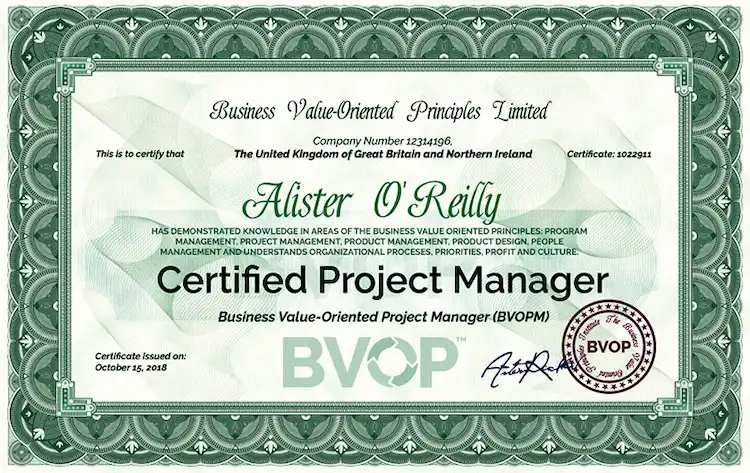
Professional project management certification gives you a universal toolkit to steer complex initiatives with confidence, directly accelerating career progression and making you a top candidate for senior roles. Pursuing a PM certification online demonstrates your commitment to industry standards and equips you with adaptable frameworks that improve team alignment, resource allocation, and risk mitigation, all of which are critical for organizational success. As hybrid work models become the norm, certified project managers excel at balancing high performance with the freedom teams need to thrive, making the credential a strategic investment in both personal growth and long-term business resilience.
Earning a professional product management certification equips you with a structured framework to balance customer needs, business goals, and technical feasibility—a skillset that becomes indispensable when navigating the complexities of modern remote and hybrid work environments. Through dedicated product management training , practitioners learn to prioritize ruthlessly, communicate effectively across distributed teams, and drive strategy without relying on constant oversight, directly addressing the challenge of maintaining performance while preserving individual autonomy. This formal credential not only accelerates career progression by validating expertise but also empowers organizations to build cultures of accountability and innovation, ensuring that freedom and high performance can coexist seamlessly.
In today’s evolving workplace, where balancing employee autonomy with performance is critical, earning a professional human resources certification equips you with the skills to design flexible, results-driven people strategies. This credential not only deepens your expertise in compliance, talent development, and culture-building but also signals to employers that you can guide organizations through modern challenges without sacrificing well-being or freedom. For HR professionals, a recognized certification becomes a catalyst for career advancement and measurable business impact, turning the new office dynamic into a competitive advantage.
Building Trust Through Outcome-Based Agreements
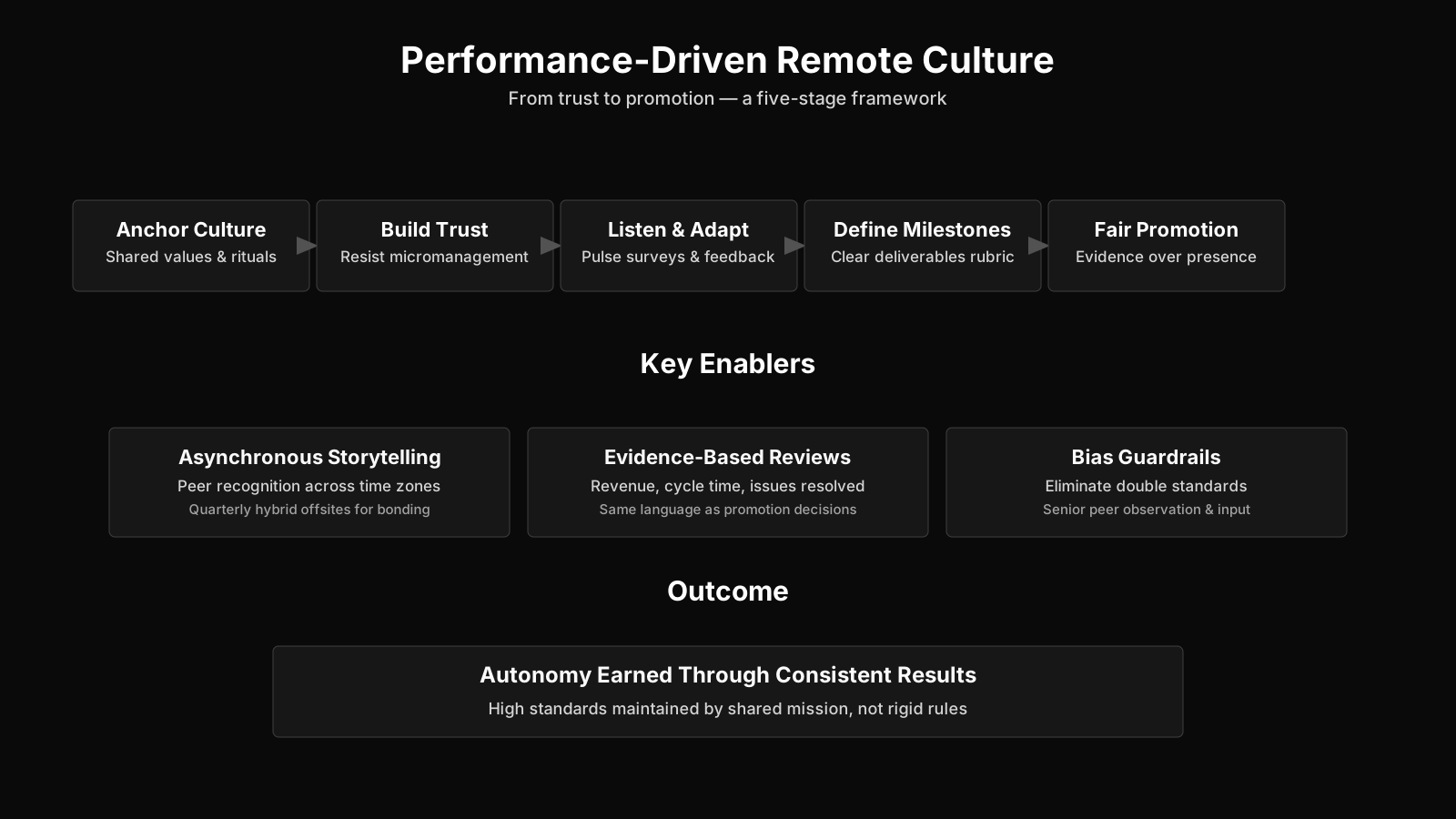
The shift from presence-based management to performance-driven leadership requires a fundamental rethinking of how goals are set and evaluated. Rather than tracking hours logged or virtual meeting attendance, forward-thinking organizations are adopting outcome-based agreements that clearly define deliverables, milestones, and quality standards from the outset. These agreements transform the manager-employee relationship from one of oversight into one of partnership, where both parties share a mutual understanding of what success looks like and how it will be measured. When employees know exactly what is expected of them and have the autonomy to determine how to achieve those outcomes, they are far more likely to take ownership of their work and demonstrate genuine accountability.
Implementing outcome-based agreements successfully demands a shift in managerial mindset away from command-and-control toward coaching and facilitation. Leaders must invest time in co-creating these agreements with their team members, ensuring that objectives are challenging yet achievable, and that employees have the resources and support necessary to succeed. This collaborative approach not only clarifies expectations but also surfaces potential obstacles early, allowing managers to remove barriers rather than micromanage progress. Over time, this practice builds a culture of mutual trust where performance conversations focus on results and growth rather than on surveillance or compliance, enabling the freedom that knowledge workers increasingly expect without sacrificing the rigor that organizations require to thrive.